The Future of Interaction: How Voice Is Revolutionizing Screens, GUIs, and Personal Assistants
Introduction
Over the past few decades, the way we interact with technology has undergone a remarkable transformation. From the early days of command-line interfaces to the advent of graphical user interfaces (GUIs) with mice and keyboards, each evolution has aimed to make digital interactions more intuitive and seamless. Now, we stand on the cusp of a new era—one where voice is set to become the primary modality, redefining how we engage with our devices.
This shift is powered by groundbreaking advancements in speech recognition and AI, exemplified by tools like WhisperFlow and WisprFlow. At the same time, industry visionaries like Jony Ive collaborating with visionaries like Sam Altman at OpenAI are likely building the next-generation interfaces that will prioritize voice-first experiences. Let's explore how this evolution is shaping the future of human-computer interaction.
The Evolution of Voice in the Context of Screens and Keyboards
From Text to Voice: The Historical Perspective
Initially, our interactions with computers were limited to text commands—think DOS prompts and early command-line interfaces. The introduction of GUIs revolutionized this space, making technology accessible to a broader audience with visual cues, icons, and menus.
However, keyboards and screens remained central to interaction, often limiting accessibility and convenience. The advent of voice recognition technology began to change this landscape, gradually enabling users to speak commands instead of typing them.
Breakthroughs with Speech Recognition Technologies
Recent years have seen exponential improvements in speech recognition accuracy, driven by deep learning models and large datasets. Tools like WhisperFlow and WisprFlow exemplify this progress. WhisperFlow, for instance, leverages open-source models to transcribe speech with human-like accuracy, enabling real-time voice interfaces that are more reliable and natural.
WisprFlow complements this by providing contextual understanding, allowing systems to interpret intent, nuances, and emotional tone. These innovations are paving the way for more fluid, natural, and efficient voice interactions.
The Rise of Voice-First Interfaces
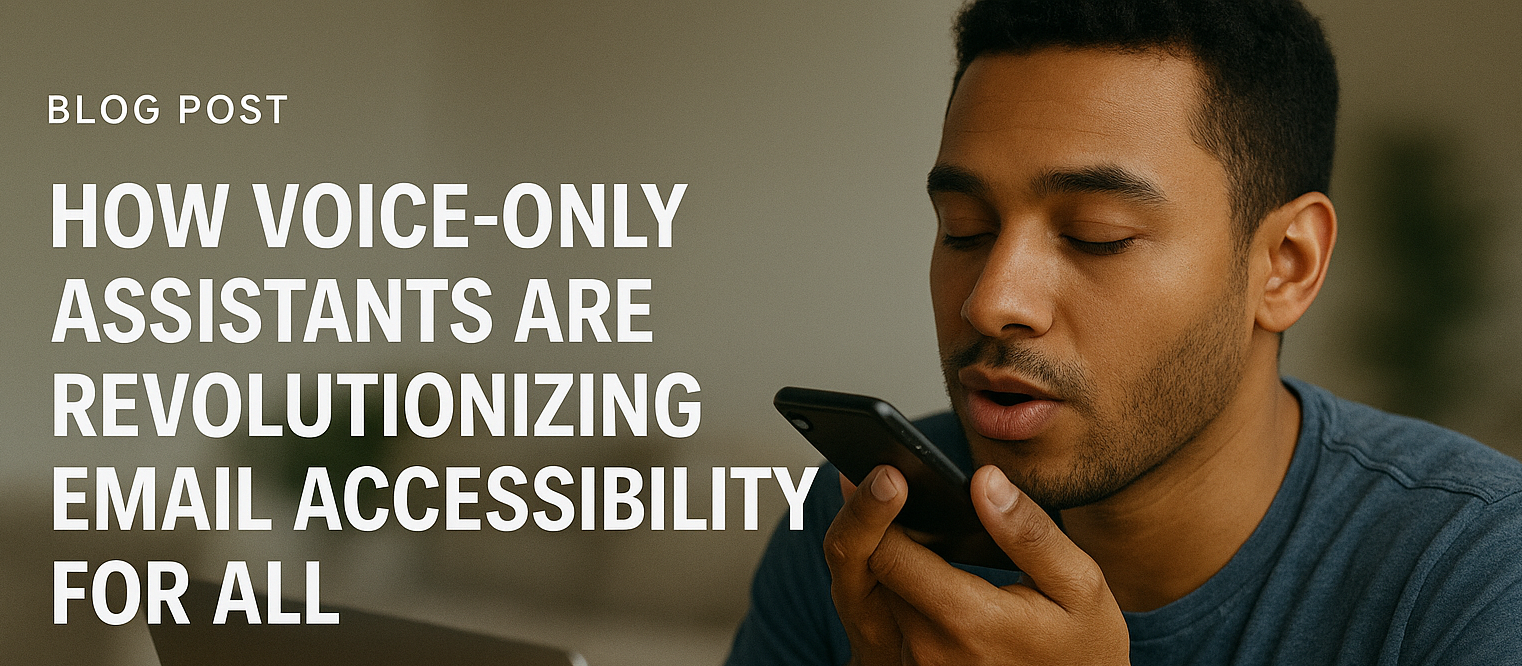
Voice is no longer just a supplementary input method; it is becoming the primary interface for many applications. Devices like smart speakers, voice-activated assistants, and in-car voice controls demonstrate this shift.
The key advantage of voice-first interfaces lies in their ability to facilitate hands-free, eyes-free interactions, which is especially vital in situations like driving, cooking, or multitasking. As voice technology continues to mature, we can expect a future where screens and keyboards are secondary, and voice commands orchestrate complex workflows seamlessly.
Jony Ive, Sam Altman, and the Future of UI Design
Envisioning the Next-Generation UI
Jony Ive, renowned for his minimalist and user-centric designs at Apple, is likely exploring new paradigms in interface design in collaboration with Sam Altman at OpenAI. Their joint efforts probably aim to craft intuitive, voice-first systems that eliminate the clutter and complexity of current GUIs.
Imagine a world where your digital assistant understands your context, preferences, and objectives effortlessly—an AI that acts as your professional companion, chief of staff, or personal concierge.
The Vision: From Emails to a Personal Chief of Staff
Starting with tools like Tom, a smart assistant that manages emails, schedules, and reduces inbox clutter, the goal is to evolve into a comprehensive AI-powered personal assistant. Tom will do much more than handle your emails; it will serve as a trusted advisor, helping you prioritize tasks, manage appointments, and even make calls on your behalf.
Features of the Next-Gen Assistant
- Calendar Management: Like Calendly or cal.com, Tom will coordinate your schedule, freeing you from endless back-and-forth.
- Inbox Refinement: It will filter out irrelevant cold emails, highlighting what truly matters.
- Content Summarization: Weekly summaries of newsletters or articles, sent directly to your Kindle or device, helping you stay informed without information overload.
- Coach Mode: Daily and weekly check-ins to align your activities with your objectives, keeping you focused.
- Automated Calls: Booking appointments or making routine calls, so you can focus on high-value tasks.
- Unified Communication Hub: Reducing dependency on multiple apps—WhatsApp, Gmail, Slack, Telegram, Discord, Teams, Outlook—by integrating conversations into a single, voice-activated interface.
This vision aims to shift away from thread-based, app-centric interactions toward a people-centric experience, where your digital environment revolves around understanding and supporting your needs.
The Impending Shift: Voice-First as the New GUI
The future of GUIs is voice-first. As speech recognition and AI continue to advance, visual interfaces will become more contextual and less cluttered. Instead of juggling dozens of apps, users will interact through natural language, with AI handling the complexities behind the scenes.
This transition promises increased accessibility, reduced cognitive load, and a more humane, intuitive way to work and communicate. Think of a world where asking your device to "schedule a meeting with Sarah next Thursday" or "summarize my inbox" is as natural as speaking to a friend.
Conclusion
The evolution of voice technology from simple commands to complex, context-aware interactions is transforming the way we engage with digital life. With innovations like WhisperFlow and WisprFlow, and visionary leaders like Jony Ive collaborating with Sam Altman, we are on the brink of a new paradigm—one where voice is king.
The next-generation interface will be less about screens and more about conversation, context, and personal connection. Tools like Tom exemplify this shift—moving from email management to becoming your professional sidekick, your chief of staff, and ultimately, your most trusted personal assistant. As we embrace this voice-first future, the possibilities for more natural, efficient, and human-centered technology are endless.
Let’s prepare for a world where our digital interactions are as effortless as speaking to a friend—because that’s where the future is headed.